

The pieces on display are from Dr. Mohan’s 2024-25 field research with ikat artisans, traders, and consumers in India. They encourage us to consider history and culture as well as the various forces, from aesthetics to livelihood, that shape Indian ikat repertoire.
Ikat refers to resist-patterned, tie-dyed textiles and is a term borrowed from Malay/Indonesian. In India, there are local names for ikat traditions. This exhibit highlights patola, a handwoven silk ikat textile from Gujarat, as well as patola-inspired cloths from South India. Historically traded to other parts of the world, patola has been revitalized for new markets within India, and its meanings and uses are being re-imagined.
The curatorial process and the various events, including the opening, lecture, and drawing workshop by Romina Chuls contributed to Dr. Mohan’s wider research into how artisanal textiles can be displayed and understood by varied audiences, especially across the Global South and North. Textile Art Center was an excellent place to hold this exhibit as its values of textile-based education, community, and collaboration resonated with Dr. Mohan’s own anthropological work on how life-worlds are created and sustained through making.
The curators approached ikat textiles from the perspective of their own academic training in art and anthropology, respectively, and were able to harness creative spaces for reflection and experimentation through a commitment to collaboration. Single and double-ikat textiles were selected for their ability to illustrate themes in the exhibit such as What is patola?; Making a textile commons; Technical innovations; What is ikat’s future?; as well as for their aesthetic qualities like color, sheen, pattern, and scale. As the textiles were woven pieces meant to be folded or wrapped on a body, special attention was paid to draping them evocatively on the walls while leaving the central space of the gallery free for public events. Thus, everything associated with the exhibit from graphics and lighting to display and programming contributed to a compelling experience.
The lecture “Ikat Circuits and Creativity” by Dr. Mohan was held in the gallery and provided important context for the exhibit. Rajkot Patola is a handloomed silk textile that uses ikat patterning along the weft, and more recently, weft and warp. This ikat craft is popular in Gujarat in western India and has reached national as well as global markets. Yet, its history and the manner in which it developed has been mostly ignored in studies of Indian heritage textiles. This lecture shared how Rajkot Patola came to be a craft success and how it has influenced other ikat forms in India. Dr. Mohan shared photos from her ethnographic research in India and related them to textiles in the “Ikat Enchantment” exhibit.
In the hands-on workshop “Magnifying Ikat” guided by Romina Chuls within the gallery, participants explored Dr. Mohan’s ikat collection through close observation and drawing. Using digital microscopes, they examined the fine structure of the fibers, the resist-dye patterns, and the subtle shifts in color that define the ikat technique. By slowing down to study the details and translating what they saw into drawings, participants gained a deeper understanding of how ikat patterns are formed and the creative possibilities the technique holds.
Dr. Urmila Mohan:
Dr. Urmila Mohan is a leading public-facing anthropologist, editor, and publisher whose work examines how sociocultural values are circulated through cloth, bodily practices, and belief systems. She holds a Ph.D. in Anthropology from University College London, and has a background in art and design. Her ethnographic research is based in India, Indonesia, and the U.S. and her most recent work on Gujarati patola was funded by a Fulbright-Nehru Academic and Research Excellence Fellowship. She is part of global working groups and supports innovation through her platform, The Jugaad Project (www.thejugaadproject.pub).
Dr. Mohan’s research has been supported by the Fulbright Program; Asian Cultural Council, New York; Nehru Trust for the Indian Collections, Victoria & Albert Museum, London; and The Rotary Foundation International. Her research includes an ethnography of Hindu devotees who make garments for their deities (Clothing as Devotion in Contemporary Hinduism), a curatorial study of Balinese ritual textiles at the American Museum of Natural History (Fabricating Power with Balinese Textiles), and an exploration of how designers sewed masks to protect fellow citizens (Masking in Pandemic U.S.). She theorizes the materiality of practices in her edited volume, The Efficacy of Intimacy and Belief in Worldmaking Practices.
Romina Chuls:
Romina Chuls (1991, Lima) is a researcher and multidisciplinary artist. Her work focuses on postcolonial gender issues in Peru and Latin America. She holds an M.A. in Arts Politics from NYU Tisch School of the Arts (2022). She earned a Bachelor's degree in Fine Arts, majoring in painting, from the Pontificia Universidad Católica del Perú in 2016. In 2021, she was granted the AAUW International Fellowship to support her studies at NYU and her research on anti-colonial pregnancy interruption practices. She is currently participating in the A.I.R. Gallery fellowship program, which culminates in a solo show in 2026.
Her solo shows include Parir los Pétalos (2023), an exhibition that articulates an understanding of abortion as part of a collective and more-than-human fertility cycle, at Real Art Ways, Hartford; Clandestinas (2020), a project that portrays the emotional stage of being pregnant with an unwanted being in a context where abortion is criminalized, at Galería Forum, Lima; and Tierra Incógnita (2017) at Fundación Euroidiomas, Lima. Her work has been shown in spaces such as Kunstraum (NYC, USA), at Palácio e Centro e Centro Cultural Vila Flor (Guimaraes, Portugal), at Museo de Sitio Julio C. Tello (Paracas, Peru) and Matamoros (Oaxaca, México).
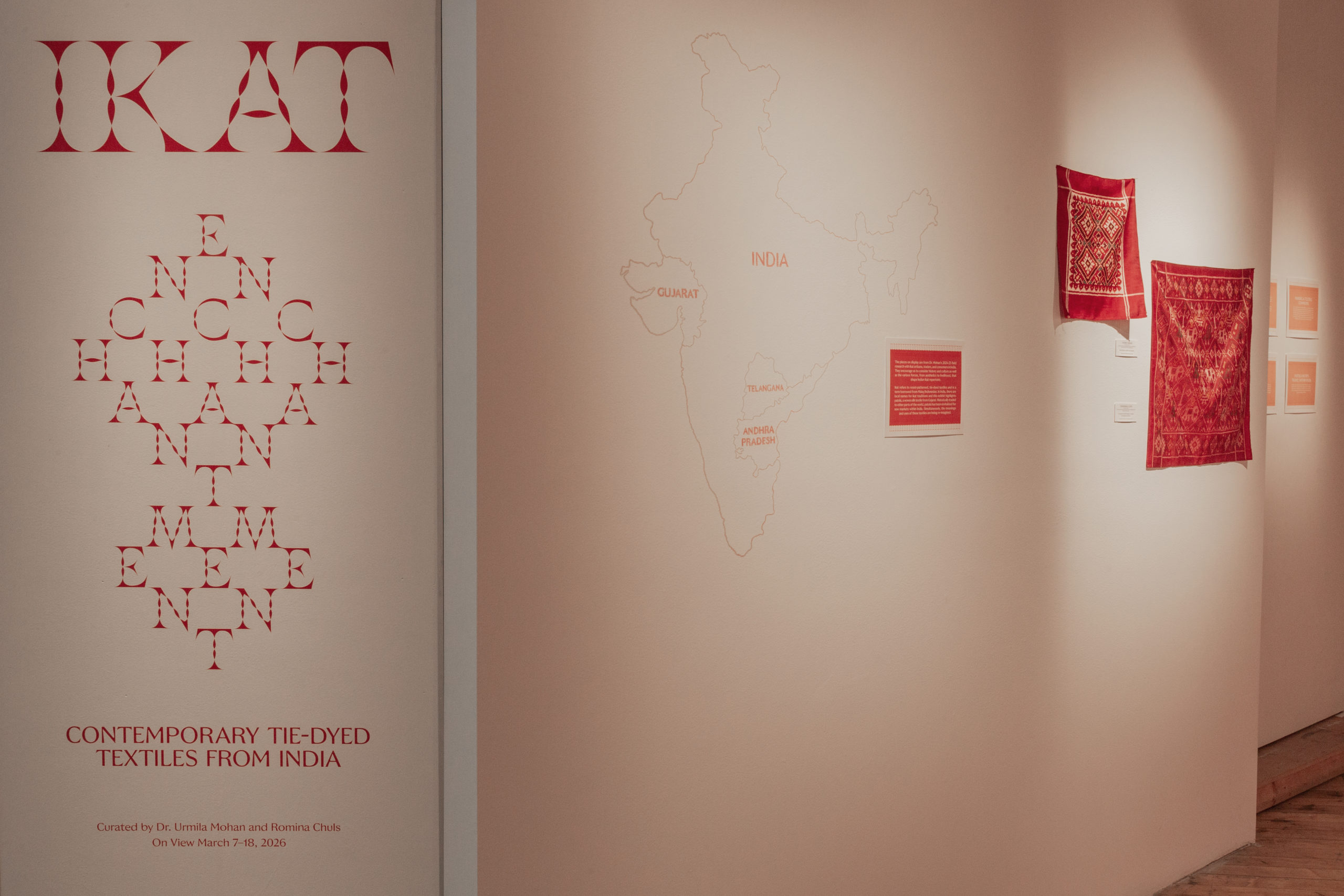
Ikat Enchantment gallery view
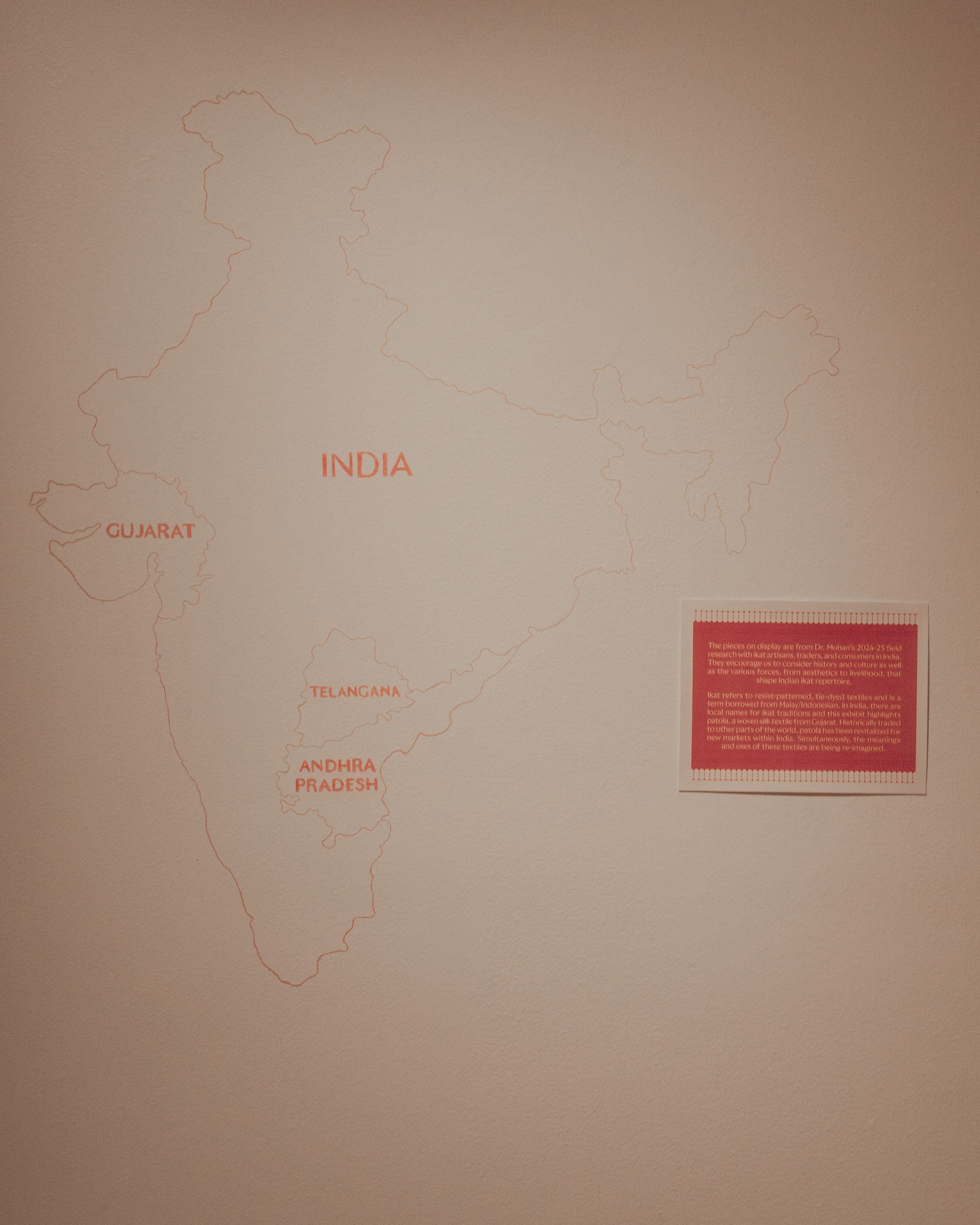
Ikat Enchantment
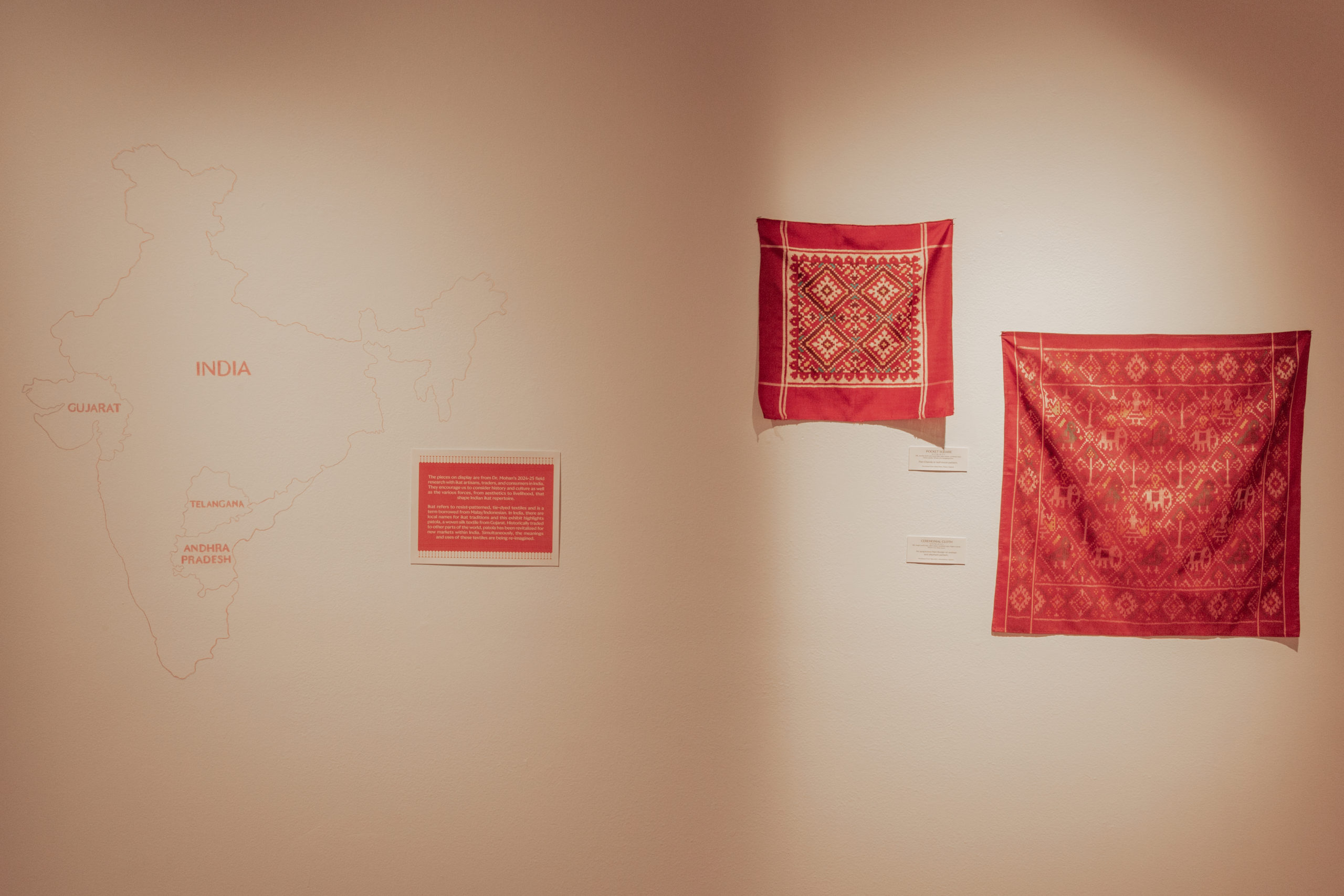
Ikat Enchantment gallery view
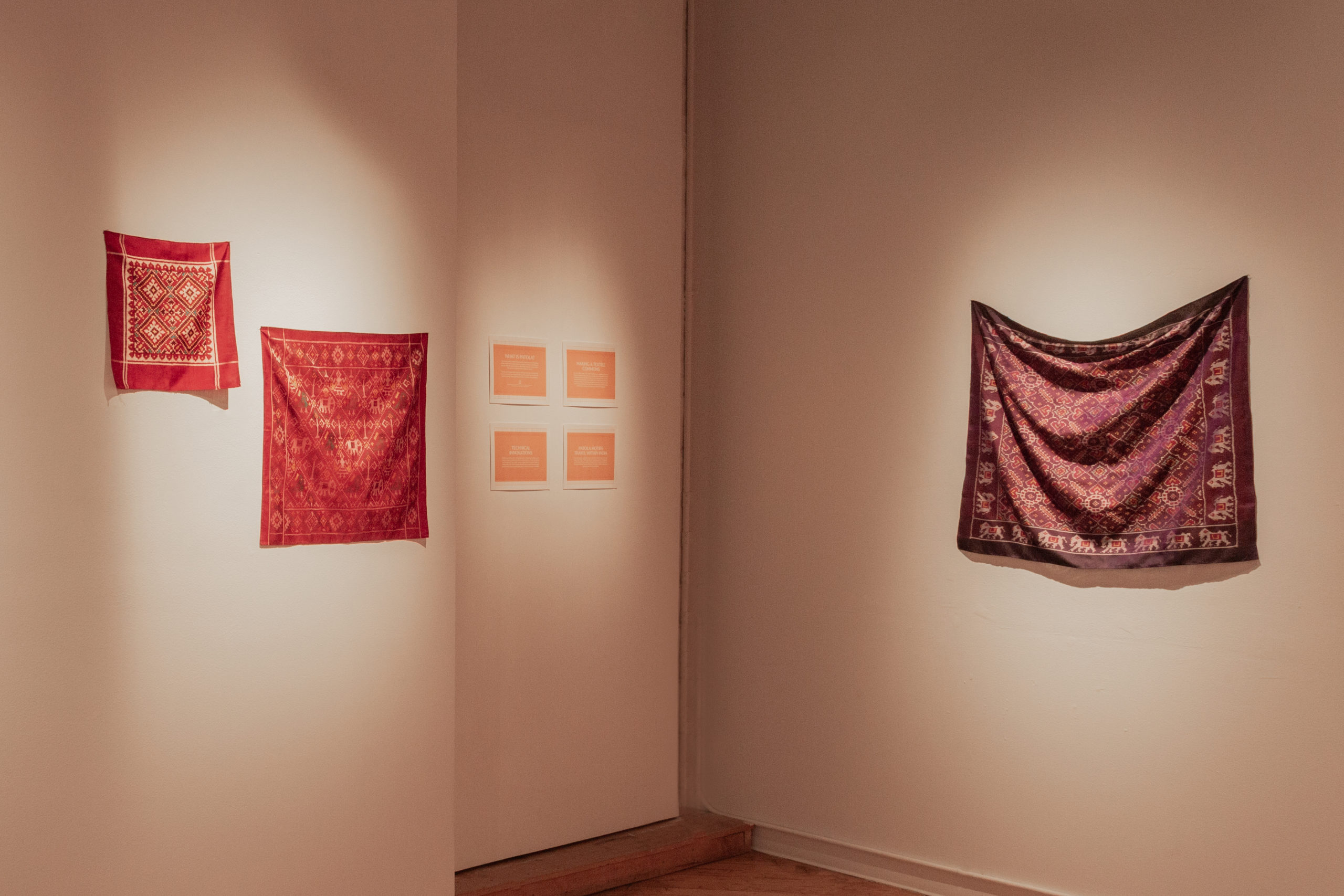
Ikat Enchantment gallery view
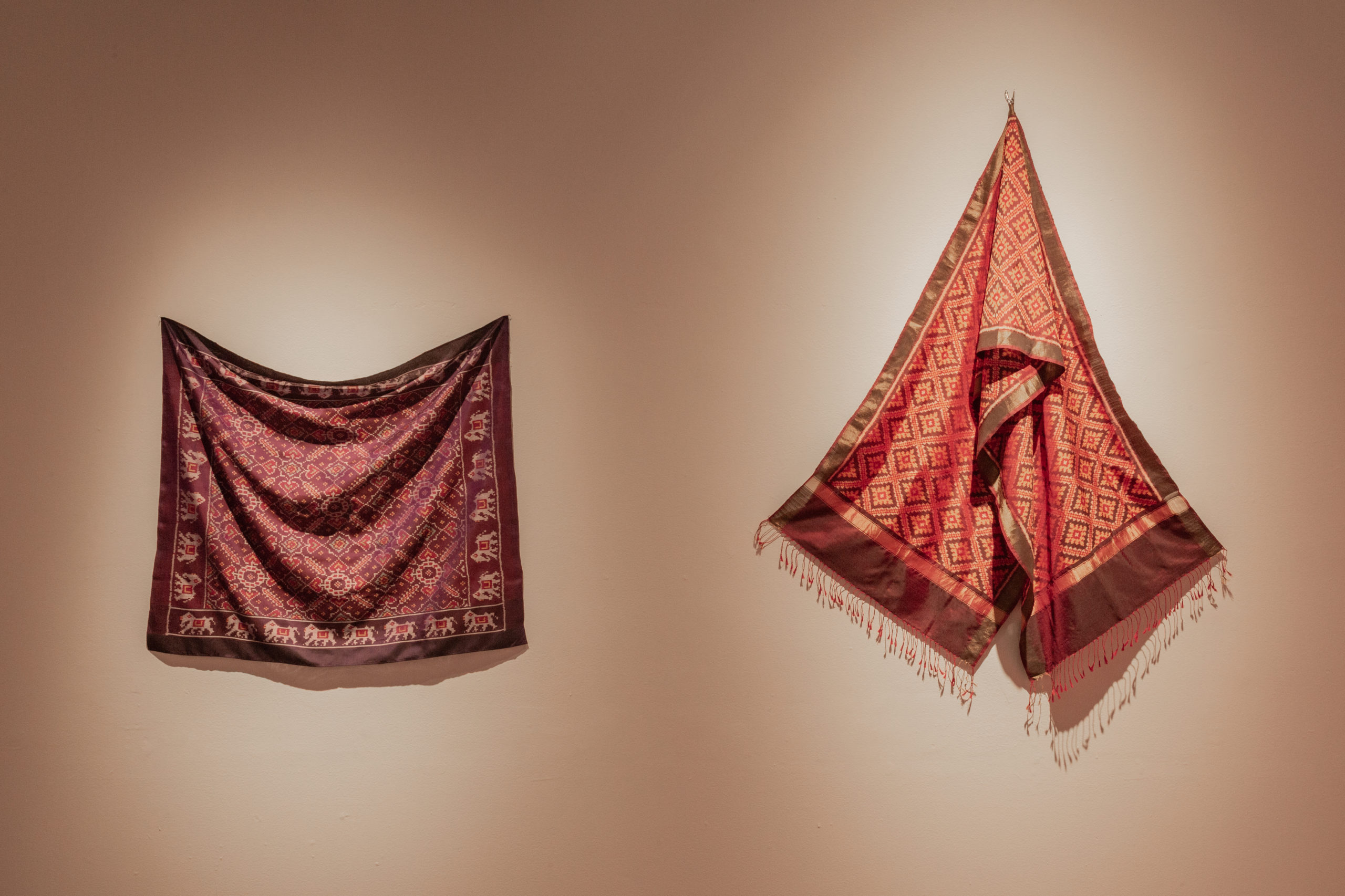
Ikat Enchantment gallery view
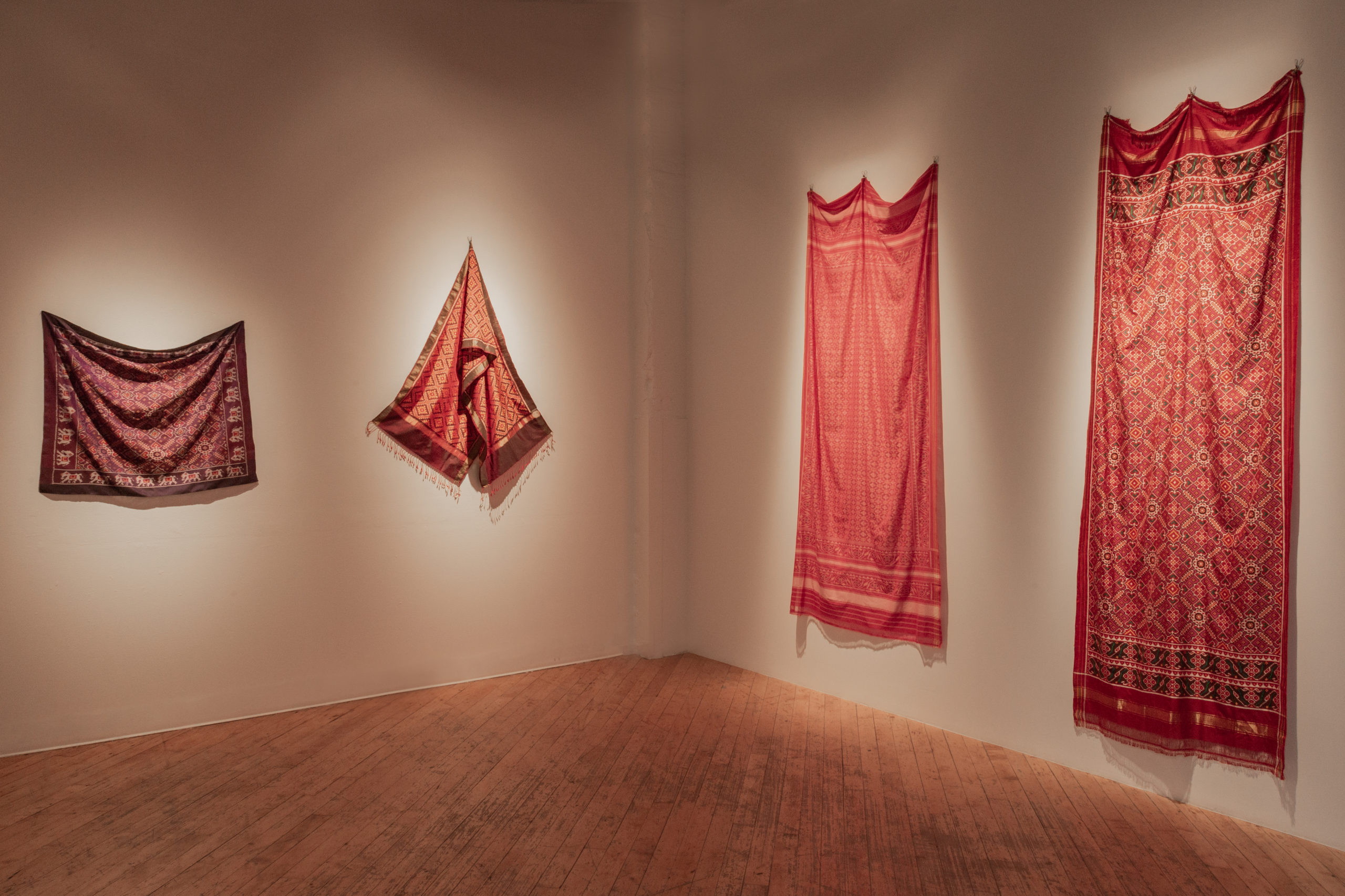
Ikat Enchantment gallery view
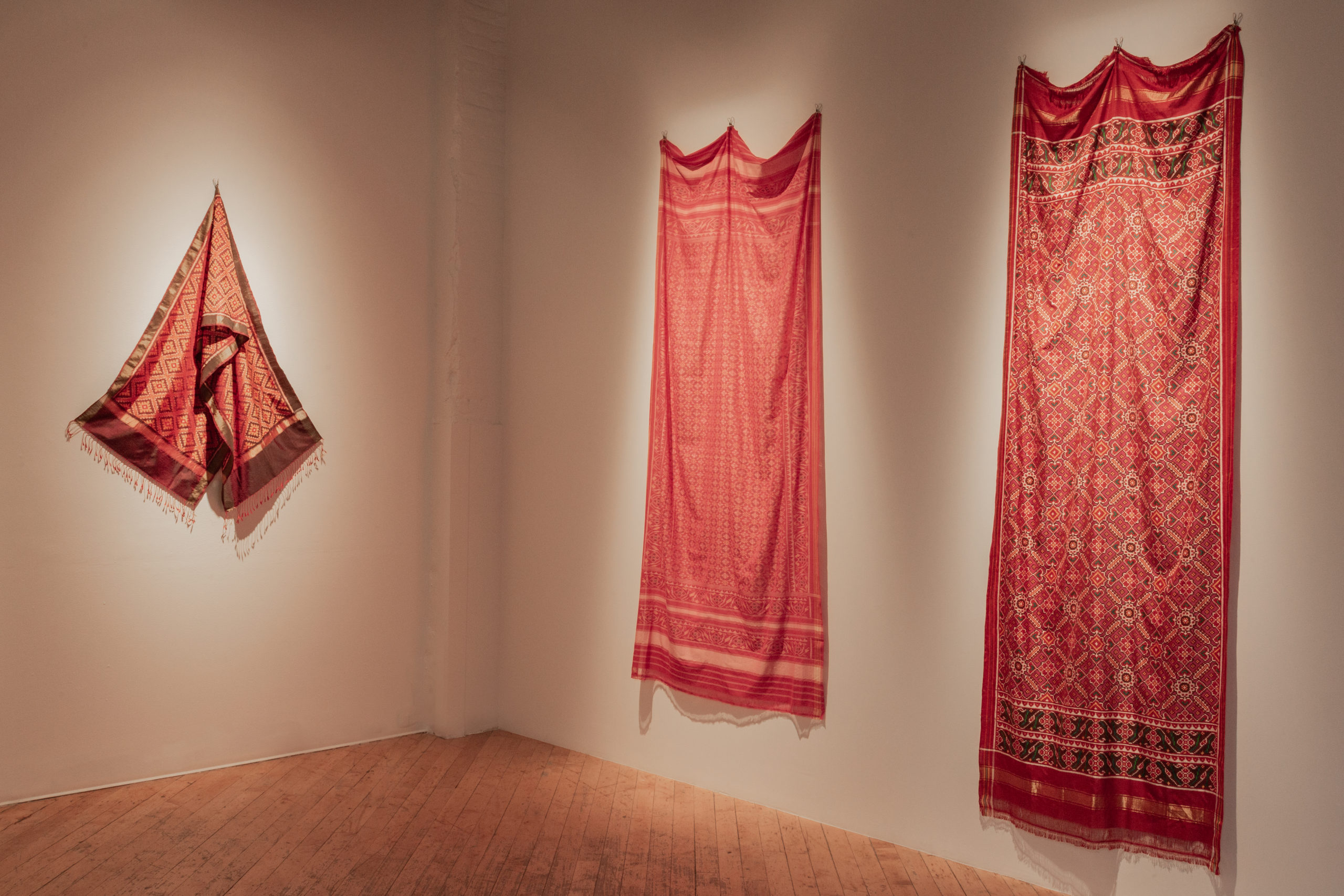
Ikat Enchantment gallery view
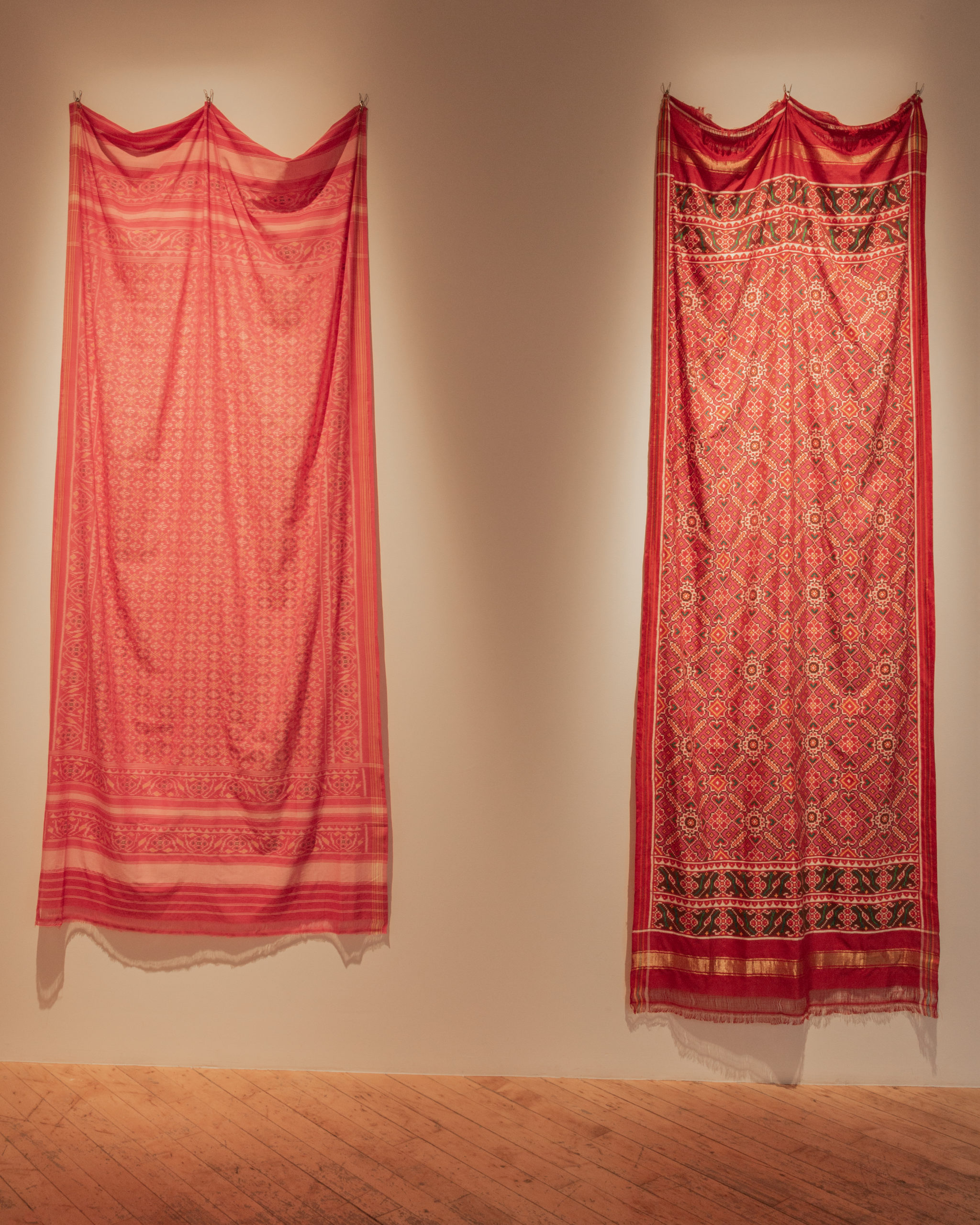
Ikat Enchantment
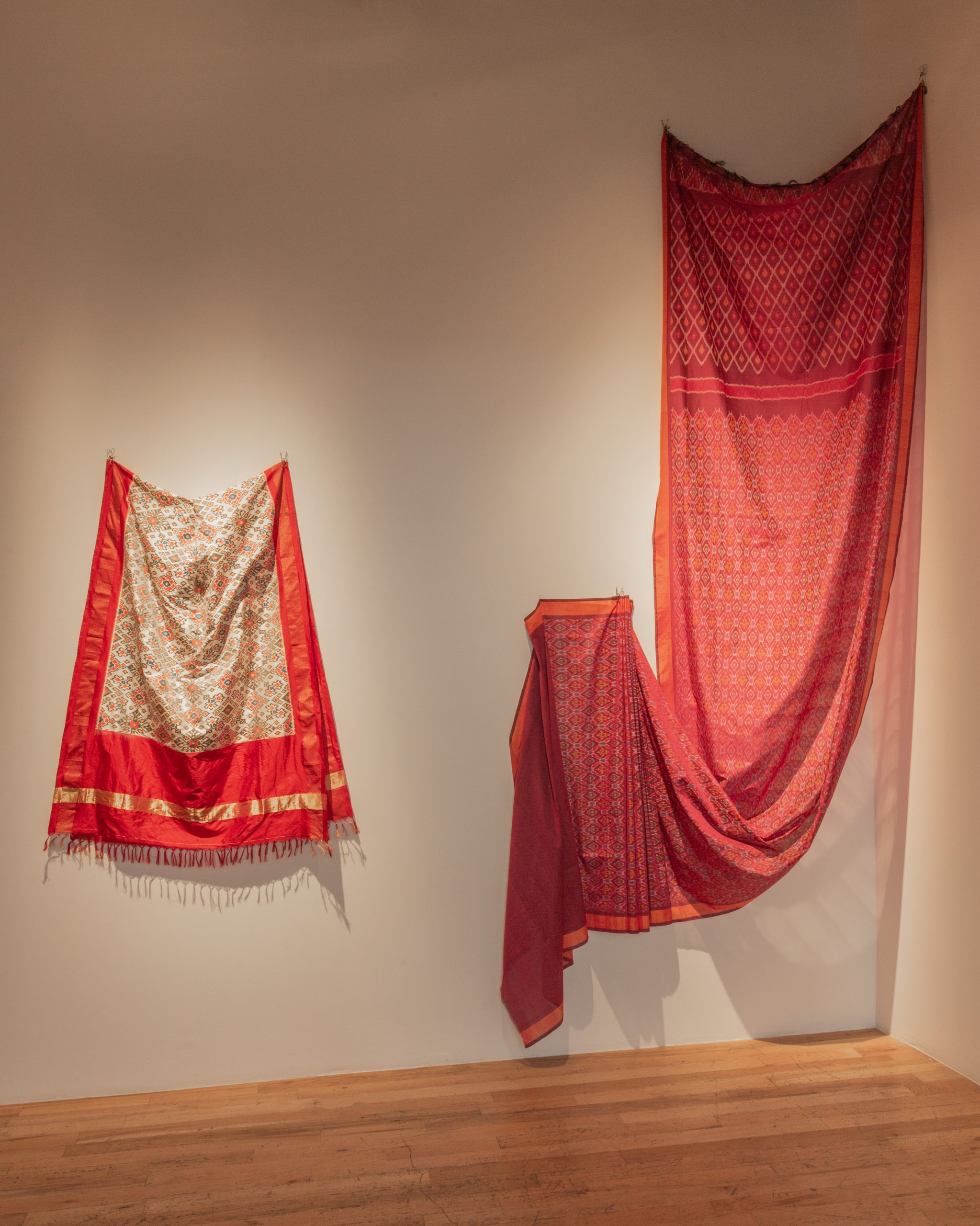
Ikat Enchantment
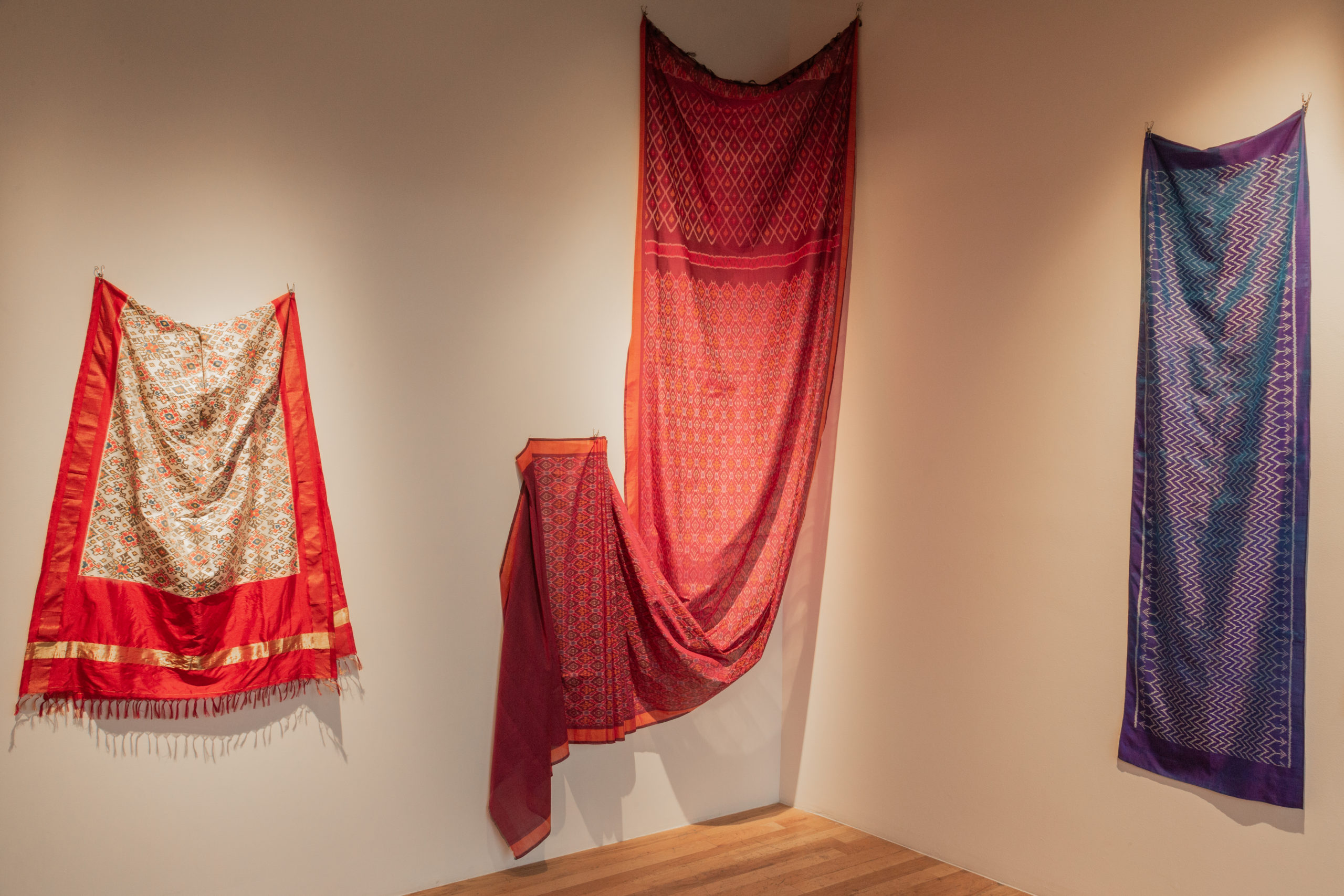
Ikat Enchantment gallery view
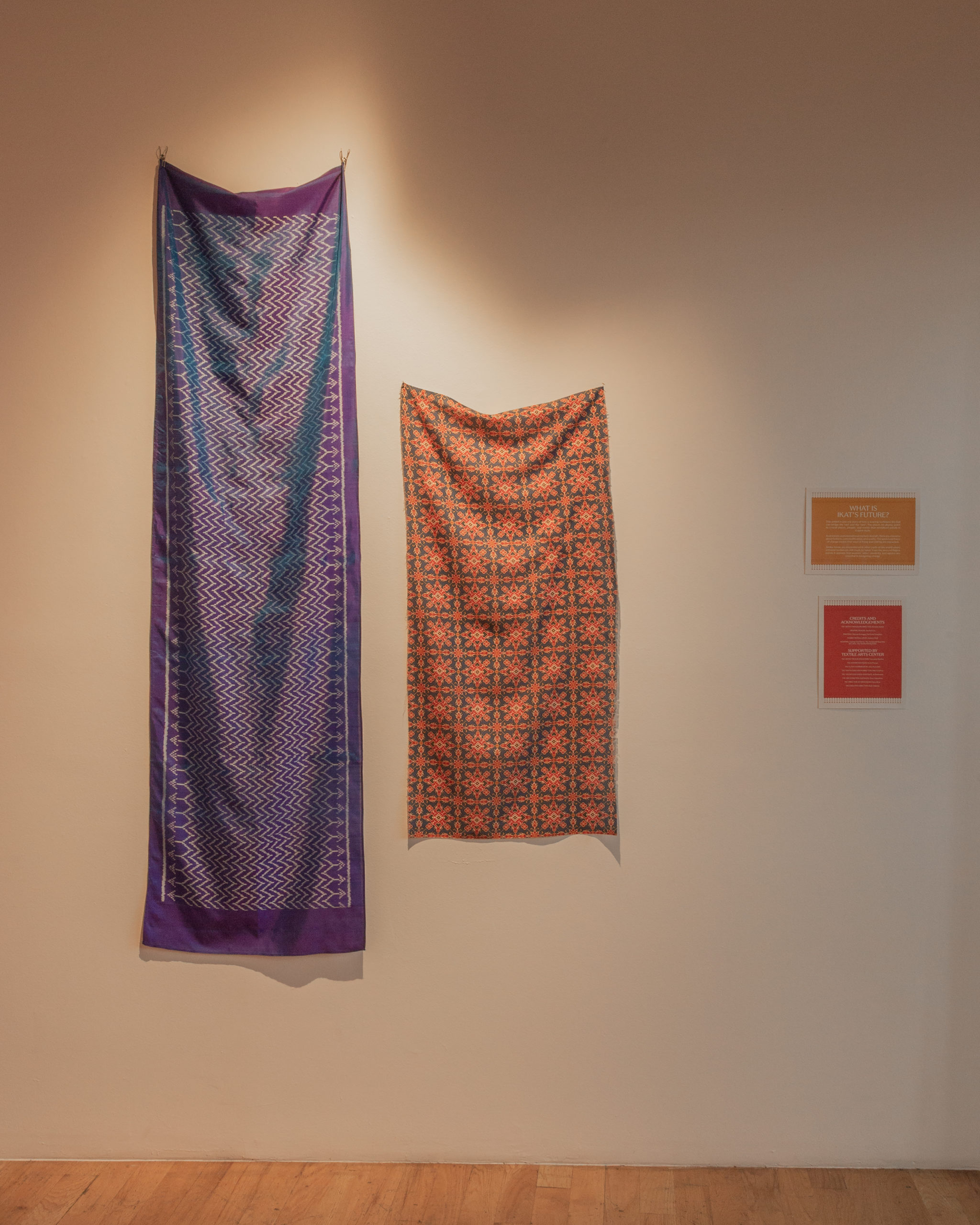
Ikat Enchantment gallery view